By Joe da Silva
In recent years, advancements in audio-visual (AV) technology have revolutionized how houses of worship operate, enabling them to reach beyond physical walls and time constraints. One of the most transformative elements of this shift is the integration of streaming and recording systems. Worship spaces now transcend physical locations, connecting congregants around the world. These systems empower religious institutions to share their message globally, offering both in-person and virtual engagement, powered by flexible and scalable AV solutions.
The Changing Landscape of Worship
Traditionally, houses of worship served their communities through in-person gatherings. While these remain central to faith practices, the demands of modern life, characterized by busy schedules, global mobility, and unforeseen challenges, have driven a demand for more flexible and accessible ways to engage with spiritual services. Streaming and recording provide a solution by breaking down the barriers of physical attendance.
The growing trend is not about replacing in-person worship but enhancing it, making it more inclusive for individuals who may be geographically distant, homebound, or otherwise unable to attend. This technology facilitates virtual participation in services, events, sermons, and even weddings or funerals.
The AV infrastructure, including cameras, microphones, video processors, and sound systems, forms the foundation for capturing and transmitting every aspect of the service with clarity and precision. The quality and integration of these AV systems ensure that audio and video sources are effectively captured and distributed for both in-house and remote participation.
Advantages of Streaming and Recording for Houses of Worship
- Expanded Reach
Live streaming enables houses of worship to extend their message far beyond their local congregation. Whether reaching members who are traveling, have relocated, or are in remote areas, streaming ensures ongoing connection. It also welcomes new participants, offering them the chance to explore services online before attending in person.
- On-Demand Viewing
In addition to live streaming, recording allows congregants to access services at any time. Life’s demands can interfere with regular attendance, but on-demand streaming ensures that sermons and events are always available. This archive also serves as a valuable resource for educational and inspirational use.
- Increased Accessibility
Streaming enhances accessibility, helping congregants with mobility challenges, illness, or other limitations to stay engaged with their worship community. Sign language interpretation, subtitles, and language support can also be integrated, ensuring inclusivity for diverse audiences.
- Creating Community
Online participation still fosters a sense of community. Even when people cannot be physically present, streaming keeps them engaged, preventing isolation, and maintaining connections within the congregation. This is particularly vital during times of crisis or restricted travel.
- Overflow Spaces
For larger services or special events, space constraints can be a challenge. Streaming enables worship services to be broadcast to overflow spaces, ensuring all attendees can participate. It also facilitates simultaneous viewing of multi-room events such as weddings or conferences.
Key Components of AV Systems for Streaming and Recording
- Cameras and Video Processing Equipment
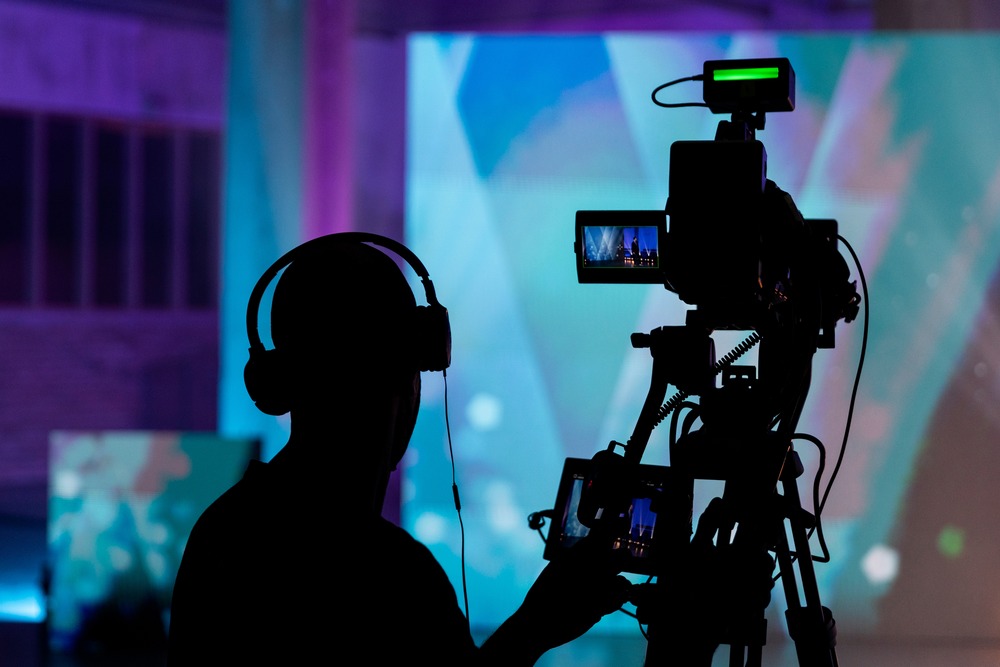
High-quality video is essential for streaming. PTZ (Pan-Tilt-Zoom) cameras provide remote control for dynamic shots, while multiple camera setups create a more immersive experience by offering various perspectives during the service. Video signal processing can include format conversion or scaling to ensure signal compatibility for optimal source presentation on any size, resolution, or type of display device.
- Audio Systems
Audio clarity is crucial when capturing sermons and music. Microphones, strategically placed throughout the venue, ensure that all audio is captured effectively. High-end speakers and audio processors with advanced Digital Signal Processing (DSP) capabilities ensure that sound is evenly distributed throughout the room, delivering clear sound to both in-person attendees and remote viewers.
- Streaming and Recording Hardware
Once audio and video signals are captured, they need to be encoded and streamed across different platforms. Streaming media processors and encoders play a critical role in capturing and distributing audio and video signals. These devices encode and stream content to multiple platforms simultaneously, each with unique configurations for resolution and bit rate. By offering flexible source presentation options such as full-screen views and customizable window layouts, streaming media processors and encoders ensure an optimal viewing experience. Additionally, these devices support various digital and analog audio signals, enabling tailored streams for different platforms and enhancing performance and user engagement.
Recording solutions can be scheduled or ad-hoc, with content stored on internal, USB, or network drives. These recordings provide on-demand access to past services, enabling congregants to revisit sermons or events at their convenience. By integrating these streaming and recording functions into a single AV system worship spaces can streamline the process to ensure a smooth and automated workflow. This approach removes the need for complex setups while ensuring secure and easily accessible archives for future use.
- User-Friendly Control Systems
Controlling an AV system within a large worship space can be daunting. However, sophisticated control systems provide intuitive and reliable ways to manage all aspects of AV functionality. Whether switching video feeds, adjusting audio levels, or controlling lighting, these control systems empower worship leaders and AV technicians to focus on delivering a seamless service without getting bogged down in technical details. This can be particularly beneficial in scenarios where volunteers, rather than trained professionals, manage the system.
The ability to schedule and automate various AV functions—such as initiating a live stream and recording or switching video feeds during different parts of the service—ensures that technology enhances rather than distracts from the spiritual experience.
Embracing Technology to Enhance Worship
The integration of modern AV systems in houses of worship represents a powerful fusion of tradition and technology. These systems elevate the in-person experience with crystal-clear audio and captivating visuals, while extending the reach of services through streaming and recording. By embracing these technical advancements, spiritual communities can thrive, growing both in size and engagement, ensuring their message is ever accessible and impactful. With solutions designed for flexibility and scalability, houses of worship can build stronger communities, foster deeper connections, and nurture faith, while expanding their reach to audiences worldwide.
Joe da Silva is Vice President of Marketing at Extron, overseeing global marketing strategies to align with the company’s objectives. With over 30 years at Extron, he has led Manufacturing Engineering, Quality Assurance, and Product Marketing. His leadership and expertise continue to shape Extron’s growth and strategic direction.