
By Karl Winkler
In days of old, violins, violas, cellos, and basses made all the sound anyone needed. Even today in many concert halls around the world, most orchestras perform 100% acoustically, and balancing between sections and instruments is done by direction from the conductor, and with numbers: 20 violins, 8 violas, 8 cellos and 5 basses against two or three trumpets, three trombones, perhaps a tuba, a half-dozen woodwind players, and a handful of percussionists. That covers just about everything written for orchestra between 1750 and today for “classical” performances in halls with decent acoustics.
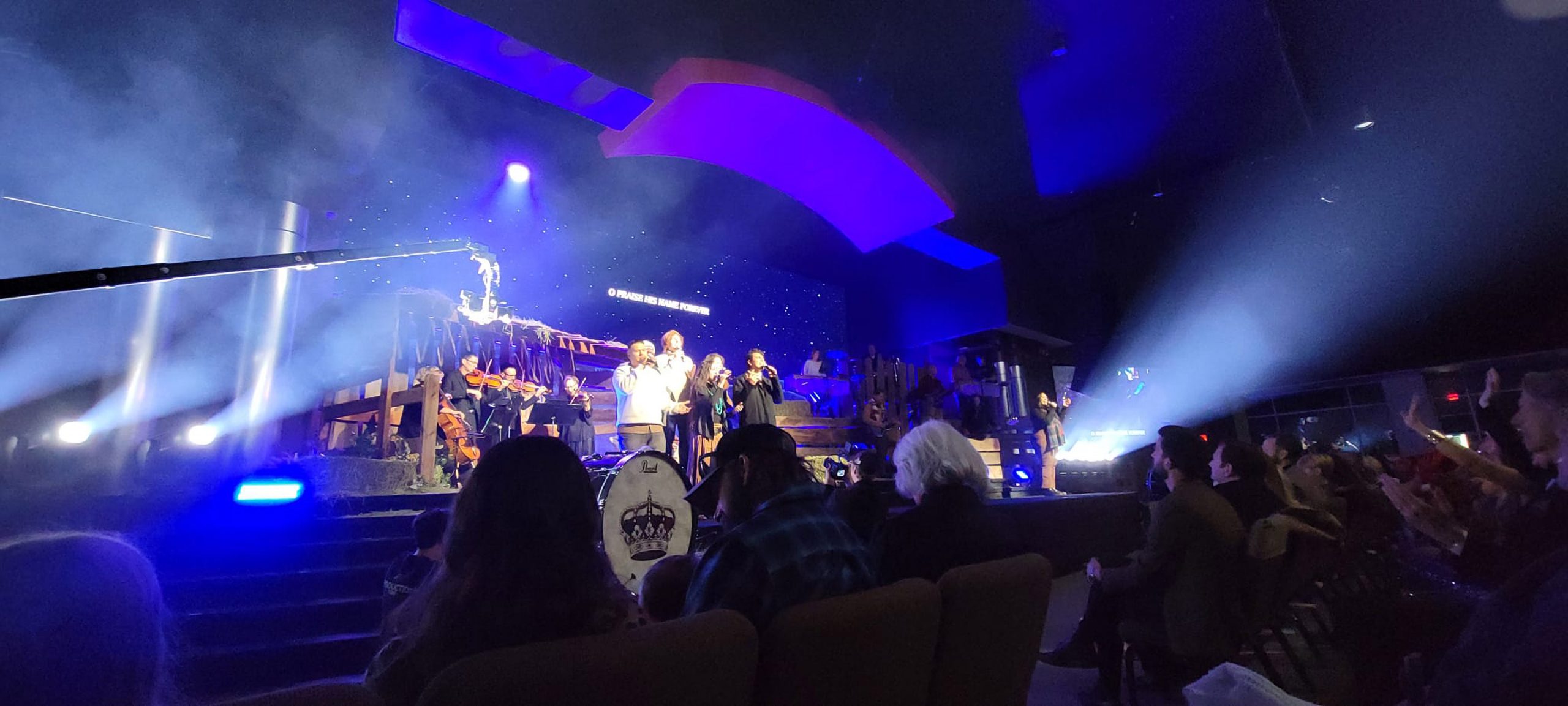
However, small string sections or ensembles that need to fill a church, especially if there are amplified singers and other augmented instruments like electric guitars, keyboards, and drum kits, require amplification of the strings to even be heard at all, let alone be balanced against other musical sounds coming out of a major speaker system.
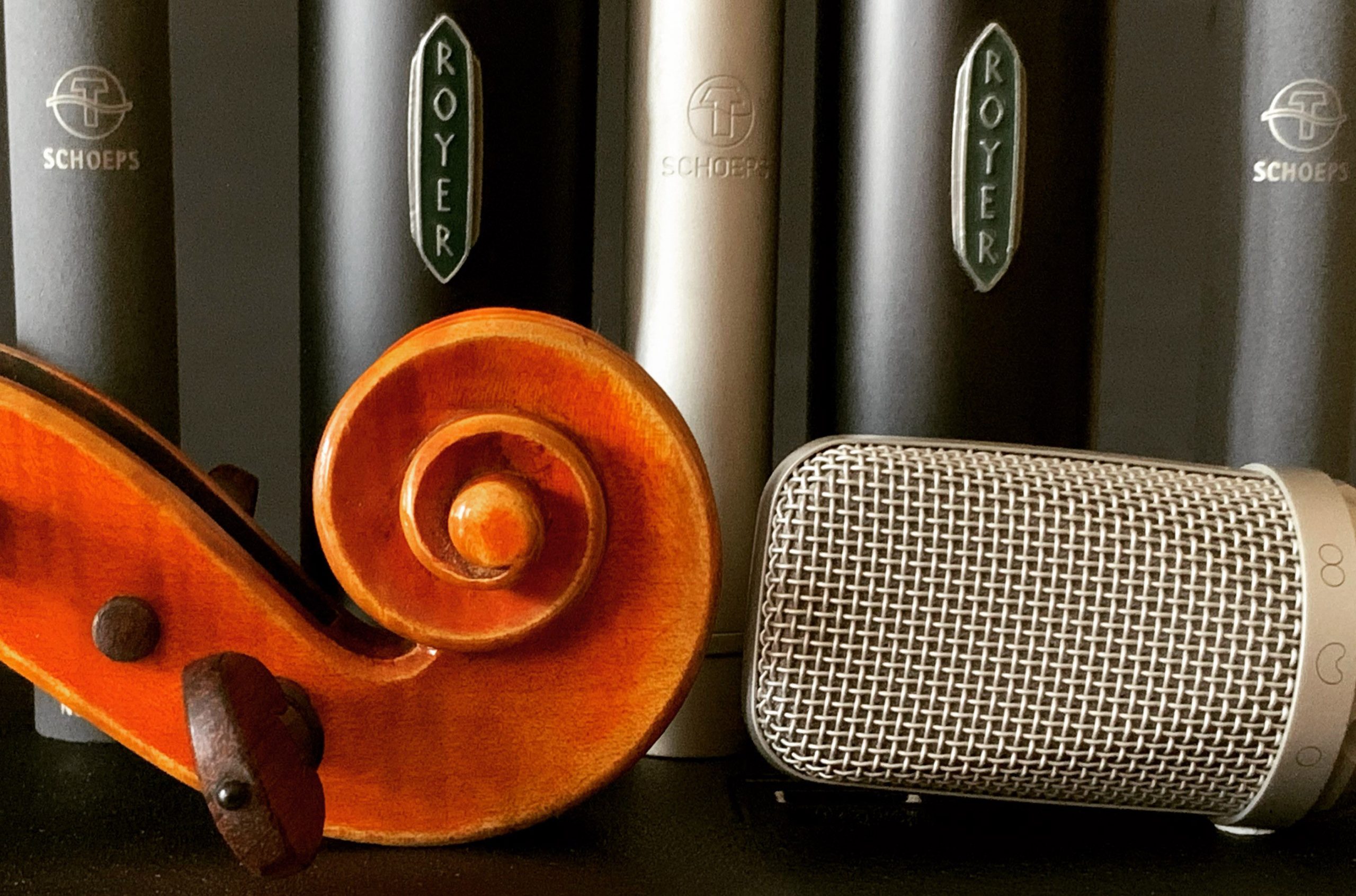 The main tradeoff in amplifying stringed instruments is between the quality and realism of the string sounds and the degree of isolation or resistance to feedback. Since no one likes feedback, let us take a look at these tradeoffs.
For the greatest amount of isolation and gain before feedback, look no further than solid-body electric instruments. They are made by several companies including Yamaha, Ned Steinberg Design, Zeta, Mark Wood, and others. These purpose-designed instruments are made for the amplified environment, and often depart visually from the traditional look of the violin string family. Popular rock violin performers like Lindsey Sterling and Mia Asano use instruments like these. In the 1970s and ‘80s it was Jean Luc Ponty spinning amazing jazz fusion via electric violin.
These instruments generally have a pickup system in the bridge and an on-board preamp to contour the tone to the performers’ liking. They generally do require a battery and are often paired with a wireless mic transmitter system so that the artists have total freedom of movement. These instruments run from a few hundred dollars to several thousand, depending on the quality of construction, materials used, and the sophistication of the pickups and preamp section.
 The downside is that these instruments generally sound the furthest from strings played acoustically. This may or may not be a problem for your praise band or service style, but it is something to keep in mind. Usually, these are best when used as solo instruments, and treated as such, with effects added in a similar way to electric guitars. On the plus side, they can get really loud in the PA system with very little risk of feedback.
Next in line for good resistance to feedback but a somewhat more natural sound would be violin family instruments that have traditional acoustic construction but have a pickup system installed. Since the pickup-type transducer itself does not respond to acoustic energy, only mechanical vibrations, a fair amount of gain before feedback can be achieved.
Companies like LR Baggs, Realist, Fishman, and others, make pickup and matching preamp systems to get the most out of this arrangement. Like with the solid body instruments, the sound from these systems differ from a good acoustic string sound, but it is useable for amplified situations requiring multiple strings coupled with a fair amount of amplification. These instruments generally feel and play the same as the pure acoustic versions, and sound fairly similar under the ear of the players as well.
The cost for violin pickup systems can range from about $100 up to several hundred or more, when a preamp is included.
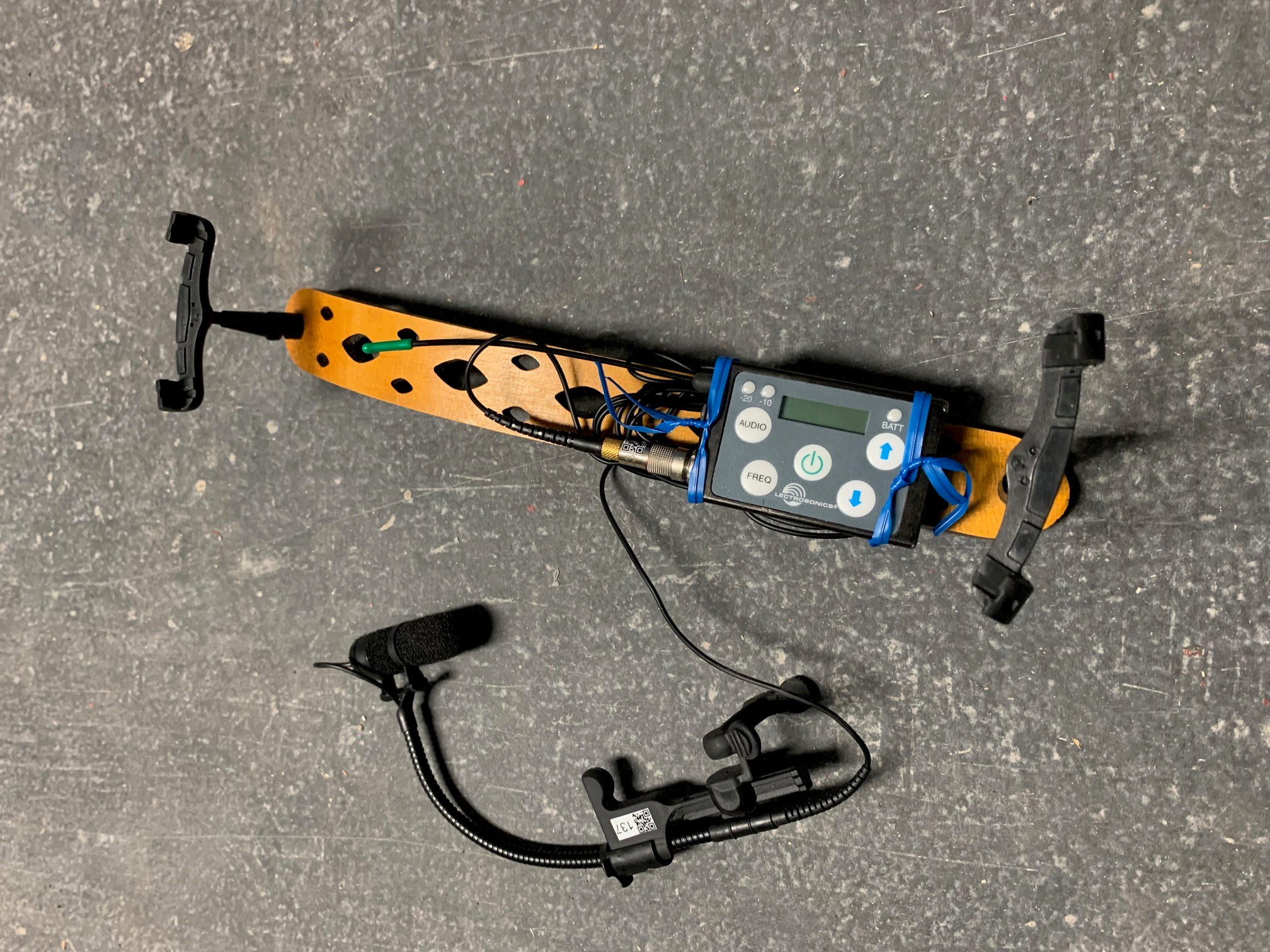
One step closer to a truly acoustic string sound but with the added concern of lower gain before feedback is to use real acoustic instruments, but with a microphone clipped on so that the mic can be as close to the instrument as possible. There are several ways to do this, from lav mics mounted on special non-destructive attachments, to tiny gooseneck mics mounted via specialized rigs. Companies like Audio Technica, DPA, Neumann, Countryman, and others, make microphones and mounting hardware specifically for strings.
As a string player, this is generally how I like to play when amplified – using my good violin or viola, and a clip-on microphone. The sound is far more natural than any pickup-based system. The downside, of course, is that the gain before feedback is lower. It is difficult to get rock-level string sounds out of a quartet or smaller string section. However, for larger string sections, the blended sound with this method is quite good. I’ve done both – playing as a quartet with a praise band, and in an orchestra amplified to match a performer with group on a large outdoor stage.
The cost for good mics for acoustic instruments can range from a few hundred to more than $700 for some of the best models. The better mics offer both good rejection and natural sound.
When it comes to the closest rendition of the true acoustic string sound, the best way is with really good microphones spaced a little bit away from the instruments. The reason for this is that violin family instruments are very complex radiators, and an extremely close microphone will only pick up what is coming out of a small “window”. The problem, of course, with mics that are a foot or two away is that feedback becomes a real problem. This method is best reserved for very light reinforcement, or recording/streaming only, where there is no amplification.
There are a wide range of microphones available that will sound good on strings, from just a couple of hundred dollars up to many thousands. Most sound engineers have their favorites, and many string players do, too. Violinist Itzhak Perlman is said to have his own Coles 4038 ribbon mic. My favorite is the Royer Labs SF-2 active ribbon – designed for acoustic instruments. Miking string players this way also has the disadvantage of requiring mic stands which can become obtrusive both physically for the players, and visually for the audience. Although this approach sounds best, it is not often used for amplified situations today.
Finally, I want to briefly cover the wireless mic component of amplified strings. If a performer plans to move a bit, or if the service style calls for a super-clean stage with no visible wires, then wireless mic systems are the answer. The downside mostly comes down to cost because the better systems aren’t cheap. Any analog wireless systems will generally affect the tone since the noise reduction part of those systems are optimized for vocals. The better digital systems, which don’t have that problem, are costly. Expect to spend at least $700 per channel for a decent wireless system, up to many thousands per channel for what the top pros use.
Fortunately, there are several very small transmitters available now, from Lectrosonics, DPA, Shure, Sennheiser, and others. Some are even small enough to be mounted right on the violin shoulder rest without adding much weight at all, and not requiring a wire to run between the instrument and the person playing it. This is the ultimate freedom!

Karl Winkler is a 30-year veteran of the audio industry and is currently EVP of Product Design at Lectrosonics, Inc. Karl has provided support for HOWs, theaters, TV and film productions, and major tours. Karl is also active as a professional violinist and violist in the central New Mexico and southern Colorado region.