In the age of digital connectivity, many churches are exploring ways to expand their outreach beyond the confines of their physical buildings. Livestreaming worship services has become increasingly popular, allowing congregants to participate remotely and extending the church’s reach to a global audience. When it comes to broadcasting, PTZ (Pan-Tilt-Zoom) cameras are emerging as a popular choice for capturing dynamic and engaging video content. But should your church be considering PTZ cameras for its broadcast setup? Let’s explore.
The Rise of Livestreaming
In recent years, livestreaming has transformed the way churches connect with their communities. With the advent of platforms like Facebook Live, YouTube Live, and dedicated streaming services, churches can now broadcast their services to anyone with an internet connection. Livestreaming offers numerous benefits, including:
- Accessibility: Livestreaming breaks down geographical barriers, allowing people to tune in from anywhere in the world. Whether they’re traveling, homebound, or living in another country, congregants can participate in worship virtually.
- Engagement: Livestreaming enables real-time interaction through comments, likes, and shares. Viewers can engage with the service, ask questions, share prayer requests, and offer words of encouragement, fostering a sense of community among virtual participants.
- Reach: Churches can extend their reach beyond their physical congregation, reaching new audiences and potential visitors. Livestreaming allows churches to share their message with a wider audience, including those who may be searching for spiritual guidance online.
The Role of PTZ Cameras
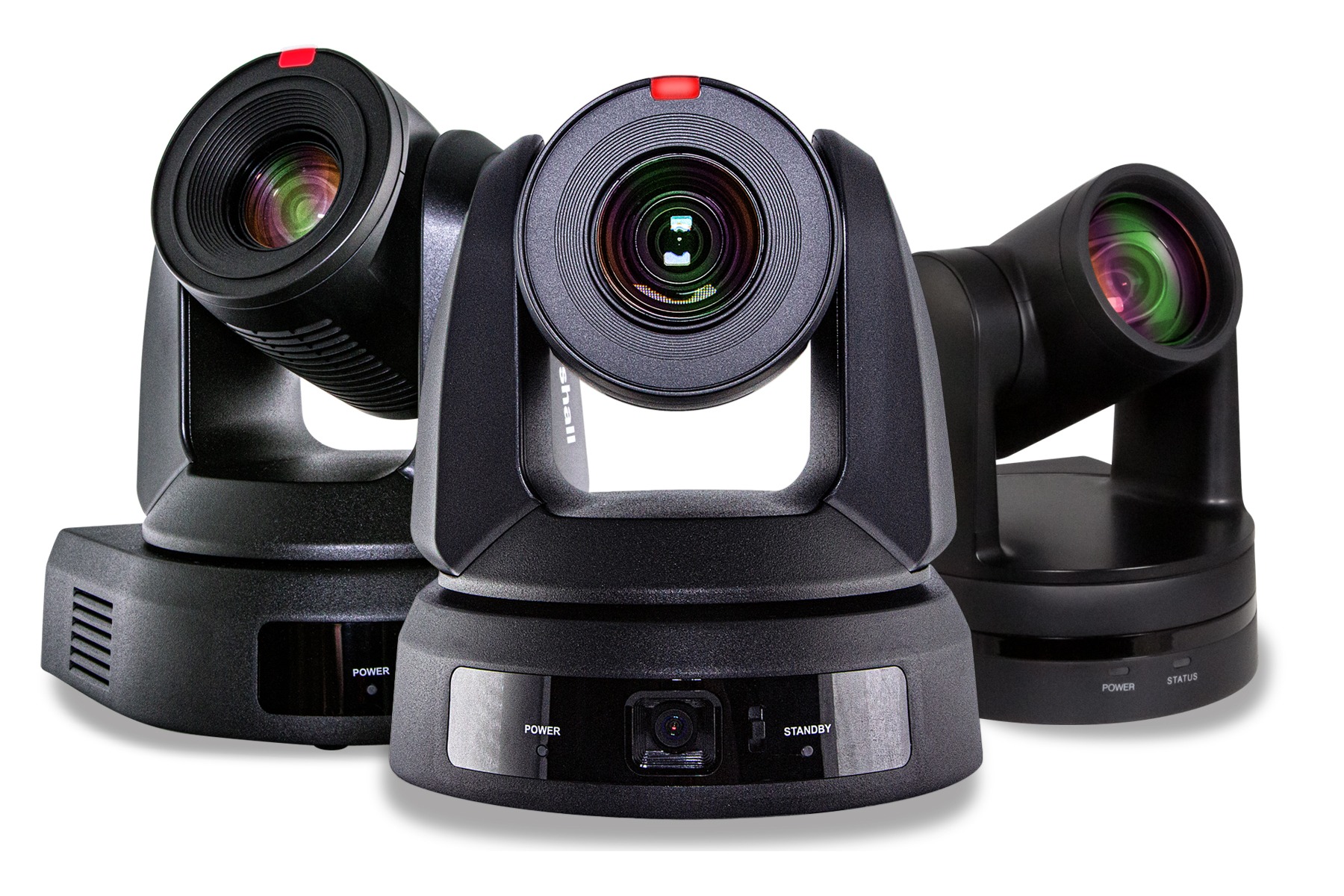
PTZ cameras are designed for versatility and flexibility, making them ideal for capturing dynamic video content. Here are some key features of PTZ cameras:
- Pan-Tilt-Zoom Functionality: PTZ cameras can pan, tilt, and zoom remotely, allowing operators to capture various angles and perspectives without physically adjusting the camera. This flexibility enables dynamic shots that keep viewers engaged.
- Presets and Tracking: Many PTZ cameras come with preset positions and tracking capabilities, enabling automated camera movements for seamless transitions during broadcasts. Operators can program preset positions for different parts of the service, such as worship, sermon, and announcements, and easily switch between them with the push of a button.
- Remote Control: PTZ cameras can be controlled remotely via a joystick controller, software interface, or even mobile apps. This remote control capability gives operators greater flexibility and freedom to adjust camera settings and angles during the broadcast.
Why Consider PTZ Cameras for Church Broadcasts?
PTZ cameras offer several advantages that make them well-suited for church broadcasts:
- Versatility: With their ability to pan, tilt, and zoom, PTZ cameras can capture a wide range of shots, from wide-angle views of the congregation to close-ups of the worship band or speaker. This versatility allows operators to create dynamic and engaging video content that enhances the worship experience.
- Space Saving: PTZ cameras require less physical space compared to traditional manned cameras. This is particularly beneficial for churches with limited camera operator positions or space constraints in the sanctuary. PTZ cameras can be mounted discreetly in various locations, providing unobtrusive coverage of the service.
- Cost-Effectiveness: While PTZ cameras may have a higher upfront cost than fixed cameras, they can often replace multiple fixed cameras, offering cost savings in the long run. PTZ cameras eliminate the need for dedicated camera operators, reducing labor costs and streamlining the production process.
Considerations Before Investing in PTZ Cameras
Before incorporating PTZ cameras into your church broadcast setup, consider the following:
- Technical Expertise: Operating PTZ cameras requires some technical know-how. Ensure that your team is adequately trained to operate and troubleshoot PTZ camera systems effectively. Provide training sessions and resources to familiarize operators with the equipment and software.
- Integration with Existing Equipment: PTZ cameras should seamlessly integrate with your existing audiovisual setup, including switchers, streaming encoders, and control systems. Consult with an AV professional to ensure compatibility and optimal performance.
- Quality and Reliability: Invest in high-quality PTZ cameras that deliver excellent video quality and reliability. Look for features like high-resolution imaging sensors, optical zoom capabilities, and robust construction. Quality PTZ cameras are essential for capturing clear and crisp video footage that enhances the viewer experience.
Is PTZ Right for Your Church?
While PTZ cameras offer numerous benefits for church broadcasts, they may not be the best fit for every church. Consider your church’s specific needs, budget, and technical capabilities before making a decision. If versatility, flexibility, and ease of operation are important to you, PTZ cameras could be an excellent addition to your broadcast setup. Ultimately, the goal is to leverage technology to enhance your worship experience and extend your ministry’s reach to a wider audience, whether they’re sitting in the pews or tuning in from afar. By carefully weighing the pros and cons and consulting with AV professionals, you can make an informed decision that meets the unique needs of your church community.