By Alex Puorro
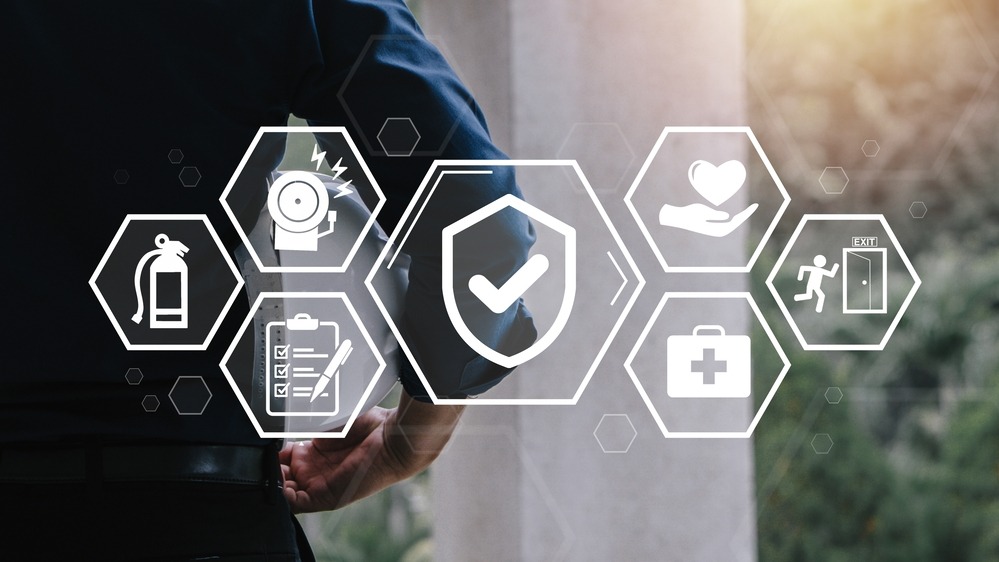
AI-powered risk mitigation and threat detection platforms empower any organization or facility to proactively strengthen its approach to organizational safety. These platforms protect against a wide range of day-to-day hazards, from slipping incidents to unauthorized vehicles, and even more critical threats like weapon detection and violent acts. By seamlessly integrating with existing video surveillance systems, the software continually monitors live camera feeds, detecting threats in real-time and providing a constant shield of protection.
Albeit important, a risk mitigation and threat detection platform is just one aspect of a layered security solution for houses of worship, which need three key capabilities from their overarching communication and security solution:
1) detect potential or active problems
2) notify the right people instantly and effectively and
3) manage incidents to a successful resolution.
Achieving those goals requires a robust solution that includes a mass notification system, video surveillance coupled with AI machine learning risk mitigation software, and a central platform to automate announcements and response plans. The seamless integration of these systems can enhance situational awareness, improve response times, and provide real-time information to facility personnel and the public.
The Four Components of Optic-based AI Security
Risk mitigation and threat detection solutions are revolutionizing security by transforming traditional, reactive security camera systems into proactive, accurate detection systems. These solutions, powered by AI technology, enhance safety without the need for additional security headcount. By integrating breakthrough AI technology with existing camera infrastructure, these platforms create a solution that protects against a growing collection of risks, from gun violence to less severe threats like slip and fall hazards and trespassing. This transformation from reactive to proactive security instills a sense of optimism about the future of safety and security.
There are four elements to AI-based risk mitigation:
- Monitoring — Through a simple connection, AI-based risk mitigation solutions seamlessly tap into live video streams to monitor real-time footage across multiple cameras with no downstream impact. They also monitor camera uptime and self-health to ensure consistent coverage.
- Detecting — Risk mitigation solutions offer instant situational awareness by identifying threats and risks — from common slip-and-fall hazards to the rare but catastrophic drawn gun. Their ever-evolving neural network library of self-learning algorithms is trained against a growing database of incidence footage. This same machine learning minimizes false negatives and false positives and continually adds more capabilities to the platform.
- Alerting — Once detected, the risk mitigation solution instantly re-verifies risks to further minimize false positives. Validated risks are time-stamped, images are retained, and the location, context, and visual data are sent to the people and systems who can respond accordingly to each risk classification. Because risk mitigation and threat detection systems cannot get distracted or panic, alerts are sent without delay, free of human error. Incidents are continuously monitored to determine whether they have been addressed or have escalated. If an incident escalates, additional alerts can be sent until the issue is resolved. Phone, audio, visual, text, email, or system alerts can be set based on situational parameters so the right people know exactly how, when, and where to respond.
- Acting — Ultimately, awareness of a problem won’t matter if no action is taken. Armed with insights provided by the risk mitigation software, users can take immediate action to resolve the issue while keeping the scene as calm as possible. Time-, cost-, and life-saving actions can range from janitorial staff promptly cleaning a spill to an instant alert review of a gun detected in the environment.
Risk Mitigation Example
One of Iowa’s fastest-growing K-12 school districts was looking for a way to make its buildings safer without interrupting the learning environment, creating privacy issues, or overspending its budget. Rising gun violence was a top concern, but so was securing the buildings in the evenings and on weekends.
This K-12 district installed a risk mitigation and threat detection platform and customized its detection parameters based on its specific needs. Different alerts were created based on the type of hazard detected, and the system was programmed to alert appropriate people responsible for that type of threat via a central software solution when a detection occurred. There were no privacy issues because the platform does not store PII or use facial recognition.
The platform provides multiple levels of protection for a variety of situations, such as students in the building alone after hours. Pre-determined stakeholders receive a trespassing alert, allowing administrators to address the situation immediately. If an injury had occurred and a student was unable to get up, a fallen person alert would have ensured help arrived quickly. The district’s administrators used this example to re-educate staff on potential liabilities and the importance of complying with standard operating procedures.
In less than one year, the district was alerted to 829 risks, including spills, falls, trespassing, and more.
The Right Message to the Right People at the Right Time
The value of a risk mitigation and threat detection solution in houses of worship cannot be overstated. It is mission-critical in a venue that can house hundreds or thousands of people at any time. The goal of the solution is to get the right message to the right person or people at the right time, whether it be information about slipping hazards, trespassers, or violent acts.
This integration provides numerous benefits, including improved situational awareness, faster responses, tailored communications, and better coordination among agencies. As the security landscape continues to evolve, embracing these technologies is essential for maintaining robust and adaptive security strategies. With continuous advancements in AI and machine learning, risk mitigation platforms will evolve to offer even more sophisticated threat detection capabilities.
Alex Puorro, VP of IP Endpoints at AtlasIED, is part of the pre-sales strategy team. He has experience in channel and strategic partnerships, heading up preferred partner programs such as Cisco. Puorro has knowledge of and influence in the IP endpoint product development process, as he remains close to both integrators in the field and AtlasIED product and software engineers, ensuring that AtlasIED solutions address the challenges that integrators and their clients commonly face.