
The organization of lighting cables stands as a silent choreographer behind the scenes of any well-run production. Properly managed cables not only ensure a visually uncluttered environment but also contribute to the efficiency and safety of the production. Below, we explore strategies to maintaining order in your lighting cables, promoting a seamless and visually appealing atmosphere for worship services.
Cable Types and Identification
Color Coding: Implement a color-coding system for different types of lighting cables. This visual cue makes it easy for the production team to identify and manage cables quickly, reducing setup time and minimizing the risk of errors.
Labeling: Attach durable labels to both ends of each cable, indicating its type, length, and purpose. Clear labeling enhances organization, especially in environments where multiple cables are in use, such as during elaborate stage productions or events.
Cable Management Tools
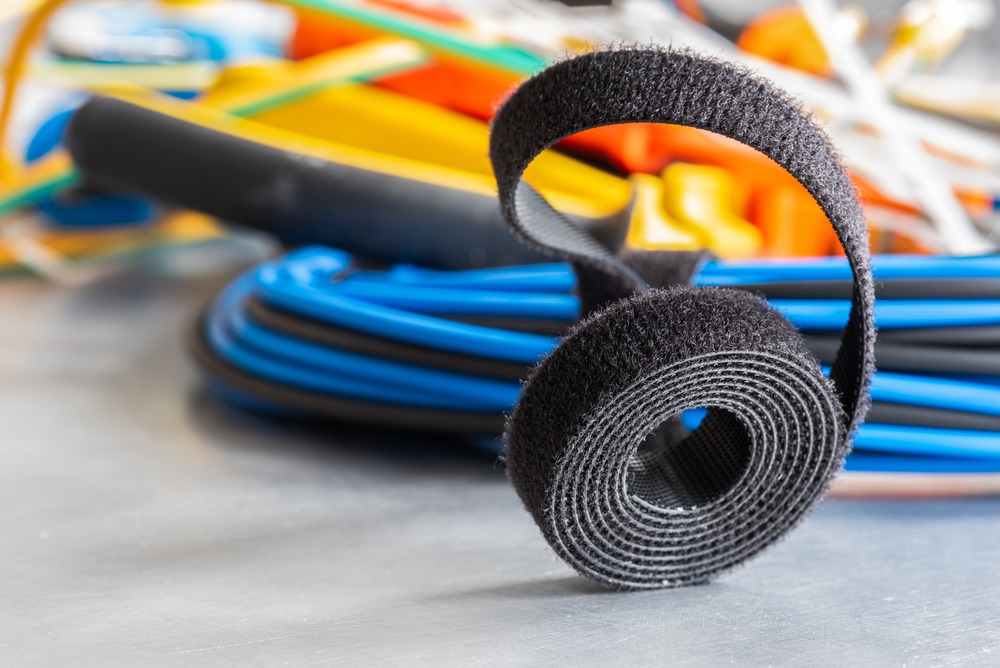
Cable Ties and Velcro Straps: Secure cables together using cable ties or Velcro straps. Grouping cables with these tools prevents tangling and simplifies the process of running and organizing them along designated pathways.
Cable Sleeves: Invest in cable sleeves or wraps to bundle and protect groups of cables. These sleeves not only add a layer of organization but also contribute to the overall safety of the workspace by preventing tripping hazards.
Segregation of Power and Data Cables
Separation for Safety: Clearly separate power cables from data and signal cables. This segregation minimizes electromagnetic interference and reduces the risk of accidental damage or electric shock, contributing to a safer environment.
Dedicated Cable Paths: Establish dedicated pathways for power cables and signal cables. This separation not only aids in organization but also prevents signal degradation that can occur when power and data cables run in close proximity.
Cable Management Systems
Cable Racks and Hooks: Install cable racks or hooks to support overhead cable runs. This elevated approach keeps cables off the floor, reducing the risk of damage and making it easier to navigate the worship space without obstruction.
Cable Trays: Utilize cable trays, especially in areas where cables need to traverse longer distances. These trays provide a structured pathway, preventing sagging and facilitating organized routing.
Cable Length Management
Custom-Length Cables: Opt for custom-length cables whenever possible. Excessively long cables contribute to clutter and may create trip hazards. Tailoring cable lengths to the specific needs of the worship space enhances both aesthetics and safety.
Coiling Techniques: Master proper coiling techniques to avoid kinks and tangles. Neatly coiled cables are not only easier to store but also minimize wear and tear, ensuring longevity and reliability.
Regular Cable Maintenance
Inspection and Testing: Implement a routine inspection and testing schedule for all lighting cables. Identify and address any signs of wear, damage, or connectivity issues promptly to maintain optimal performance.
Cable Repair or Replacement: Have a protocol in place for cable repair or replacement. Discard damaged cables and replace them with new ones to prevent potential failures during crucial moments in worship services.
Documentation and Inventory
Comprehensive Inventory: Maintain a comprehensive inventory of all lighting cables. Document the type, length, and condition of each cable. This inventory serves as a valuable reference for planning setups and replacements.
Digital Documentation: Consider digital documentation tools for cable management. Using software or apps allows for efficient tracking, easy updates, and quick retrieval of information when needed.
Training for Production Teams
Cable Handling Training: Provide training for production teams on proper cable handling techniques. Educate team members on the importance of organization, segregation, and regular maintenance to foster a collective commitment to cable management.
Emergency Response Plan: Develop an emergency response plan for cable-related issues. Ensure that team members know how to quickly identify and address cable problems during live events to minimize disruptions.
Integration with Lighting Design
Collaboration with Lighting Designers: Foster collaboration between cable management and lighting designers. By understanding the lighting design requirements, cable management strategies can be tailored to complement and enhance the visual aesthetics of the worship environment.
Hidden Cable Runs: Strategically hide cable runs when possible. Concealed pathways, such as cable conduits or channels, contribute to a cleaner visual presentation, allowing congregants to focus on the worship experience without distractions.
Future Proofing for Growth
Scalability: Plan cable management with scalability in mind. Anticipate future additions or changes in the lighting setup and design cable pathways that can accommodate growth without sacrificing organization.
Documentation Updates: Regularly update cable documentation as the worship space evolves. This includes changes in equipment, additions of new lighting fixtures, and modifications to cable routes to ensure accurate and up-to-date information.
From color-coded identification to dedicated cable pathways, each strategy contributes to a seamless and visually unobtrusive environment. As the production team orchestrates the dance of lights, well-managed cables remain an unsung hero.